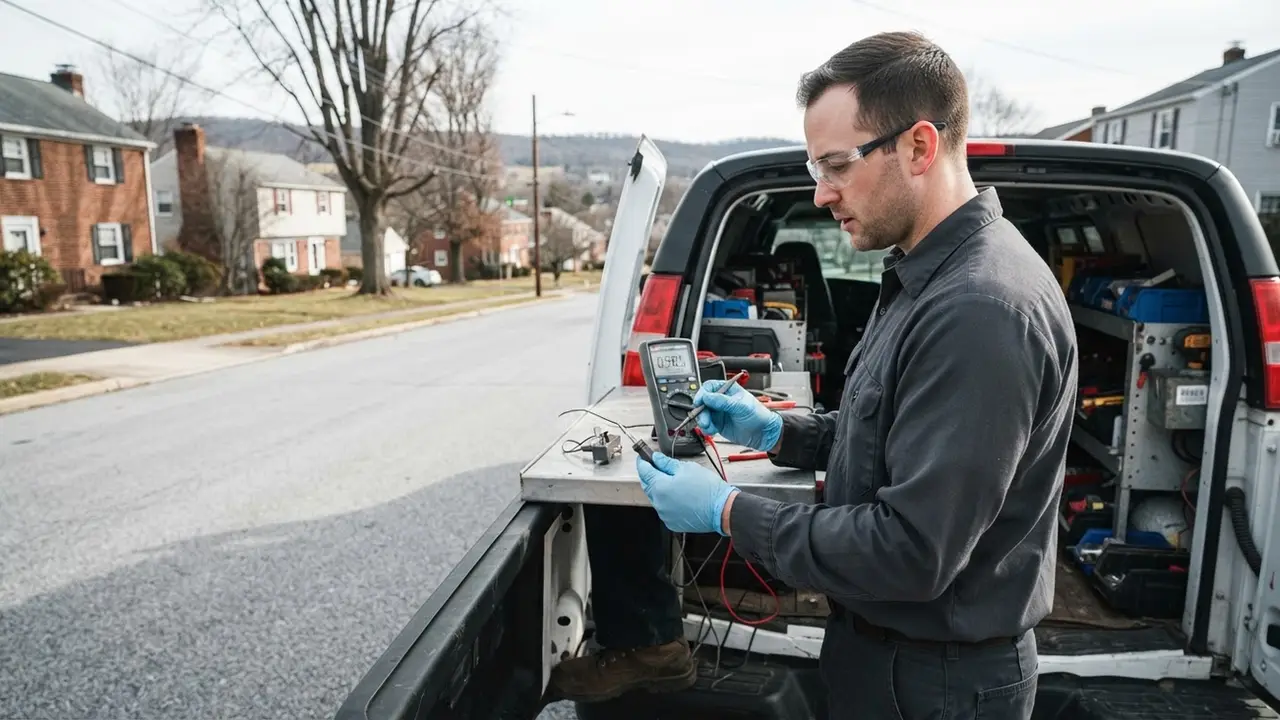
Start-Up Observation
We watch the ignition sequence.
A visit covers start-up observation, ignitor and sensor testing, repair and flame verification.
We watch the ignition sequence.
We test ignitor resistance and glow.
We inspect and clean the sensor.
We replace failed parts.
We confirm steady flame across cycles.
A furnace ignitor is the part that lights a gas furnace's burners, usually a hot surface ignitor that glows to light the gas. A flame sensor is a thin metal rod in the burner flame that confirms the flame is present. If the sensor does not detect flame within seconds, the control board closes the gas valve for safety.
Both parts live in a hot, dirty environment. The ignitor is fragile and can crack or weaken. The sensor collects a thin layer of carbon that blocks its signal. Furnace repair in York for these parts is common, and many gas furnace no-heat calls trace to one of them. Because the parts are small, the repair is often modest when the diagnosis is correct.
We test each part, then clean or replace as the test shows.
Schedule
Call or book online — a real human picks up and confirms a 2-hour arrival window.
Diagnose
Licensed tech inspects on-site, then walks you through the cause and your options.
Fix
The job is completed to code and done right the first time — no shortcuts, no surprises.
Guarantee
Every job backed by a written workmanship warranty — and we stand behind it.
Digital multimeter
Tests ignitor resistance and sensor signal.
Microamp meter
Measures the flame sensor's signal to show whether it detects flame.
Sensor cleaning materials
Remove carbon from the sensor rod.
Visual burner inspection
Checks flame appearance and burner cleanliness.
Resistance testing
We measure the ignitor against expected values.
Signal testing
We measure the sensor's signal.
Repeat-cycle verification
We confirm steady flame across several cycles.
01
What we do: We inspect and clean the flame sensor and verify flame.
→ Burners stay lit.
02
What we do: We test the ignitor and replace it if weak.
→ The furnace lights reliably.
03
What we do: We check for a cracked ignitor or fouled sensor.
→ Heat returns.
Ignitor and flame sensor problems often surface when a York furnace restarts after a summer of rest. Carbon on the sensor and a weakened ignitor are both invisible until the furnace is asked to light, which is usually the first cold night. A hot surface ignitor can also crack from thermal stress over many winters of heating cycles, particularly in older furnaces common in York County homes. We serve York and nearby areas and see these parts fail regularly. A quick start-up observation tells us a lot, since a glowing ignitor and a failed light points one way, while burners that light and drop out point another.
York
York homes with older gas furnaces often need ignitor replacement after many seasons.
Springettsbury Township
Springettsbury Township calls often involve sensors fouled after summer.
West York Borough
West York Borough households call when burners light and drop out.
Idle summer months
Carbon and dust can foul the sensor before the first cold start.
Many heating cycles over years
Thermal stress can crack ignitors in older furnaces.
These are the common failures.
Problem
The furnace cannot start and the house stays cold.
Our Fix
We test the ignitor and gas conditions and replace a weak ignitor.
Problem
The furnace cycles uselessly.
Our Fix
We clean or replace the flame sensor.
Problem
No ignition means no heat.
Our Fix
We test the ignitor and wiring and replace the failed part.
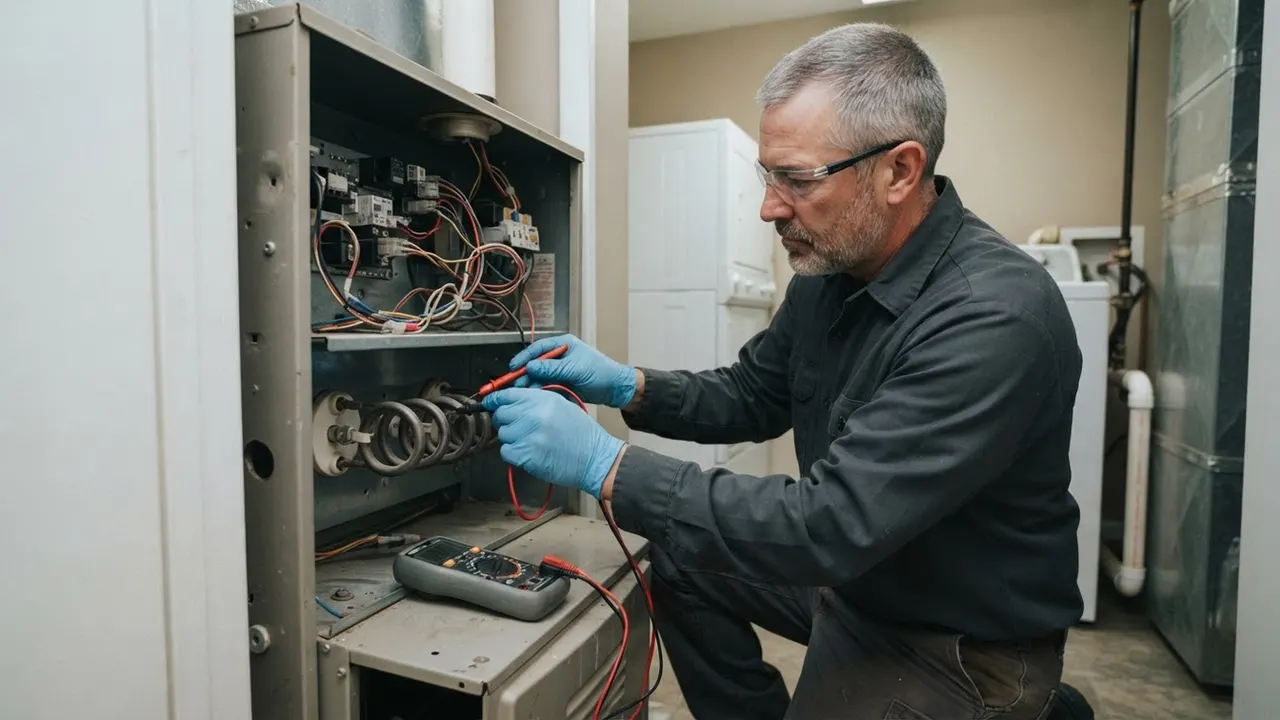
A working ignitor and sensor give a gas furnace reliable starts and steady flame.
Reliable Lighting
A tested ignitor lights the burners on the first try.
Steady Flame
A clean sensor keeps the furnace running instead of shutting off seconds after lighting.
A Small Repair Done Right
Many no-heat calls come down to one of these parts, a modest repair when found early.
Fewer Startup Failures
Replacing a weak ignitor before it fails avoids a cold-night breakdown.
Ignitors and flame sensors are small parts, and the repair is usually modest. Cost depends on whether cleaning is enough or replacement is needed, and on the furnace model. We test first so you pay for what has failed.
What changes the price
Clean or replace
Cleaning a sensor costs less than replacing it.
Furnace model
Part cost varies by model.
Underlying cause
A recurring fouled sensor may need burner attention.
Urgency
A no-heat night is urgent.
These two parts cause a large share of gas furnace shutdowns, so we see their failure patterns often.
Real answers to the questions we hear most often from local homeowners and property managers.
Ignitors and sensors are part of the full gas furnace start-up sequence.
View Gas Furnace RepairA failing ignitor or sensor is a common cause of a furnace that will not heat.
View Furnace Not HeatingAn ignitor failure can look like a dead furnace.
View Furnace Won't Turn OnSeasonal service cleans sensors and checks ignitors before failure.
View Furnace Inspection and Tune-UpCall (717) 276-7978 to talk about your furnace. Tell us whether it is gas or electric and what you notice: no heat, cold air, noise or constant restarts. We serve York and nearby communities in York County, Pennsylvania.
Phone
(717) 276-7978Address
York, PA
Hours
Mon–Fri: 7AM – 7PM
Sat: 8AM – 4PM
Sun: Emergency Only
24/7 Emergency Available